
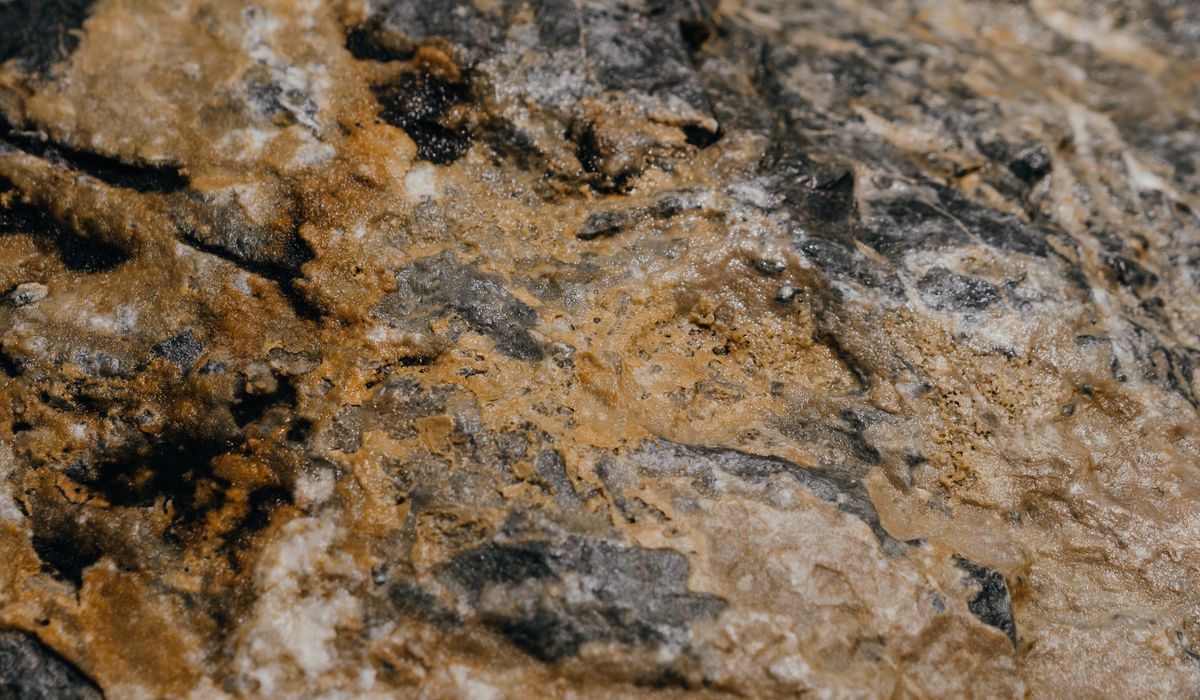
The Mohs hardness scale is one of those pieces of jewellery knowledge that repays a few minutes of your attention. Devised by the German mineralogist Friedrich Mohs in 1812, it ranks ten minerals from talc at 1 to diamond at 10, based on a simple principle: a harder material will scratch a softer one. Talc is so soft you can crumble it between your fingers; diamond will scratch practically anything.
The crucial thing to understand is that the scale is relative rather than linear. The gap in real hardness between 9 and 10 is far greater than the gap between 1 and 2, which is why diamond behaves so differently from corundum even though they sit only one step apart. What matters most for everyday wear, though, is a practical threshold: household dust commonly contains quartz at 7. Any gemstone softer than that will gradually collect micro-scratches from ordinary life — wiping, wearing, knocking against surfaces — and its surface will begin to look tired and cloudy rather than bright.
Not all jewellery faces the same risks. A pendant or a pair of drop earrings spends most of the day hanging quietly, protected by fabric and by the fact that your neck and ears rarely collide with brickwork. Rings are another matter entirely. Your hands are your tools: they grip door handles, lift shopping bags, tap keyboards, push trolleys, and reach into pockets where keys and coins are waiting.
Bracelets are similarly exposed, clattering against desks and each other throughout the day. So the same stone that thrives as a pendant might look scratched and dull within a year when set into a ring worn daily. Matching the stone to the setting is half the art of buying well.
Here is roughly how popular gemstones line up, and how much freedom each gives you:
As a rule of thumb, choose 8 or above for a ring you never intend to take off, 7 or above for a ring worn several times a week, and reserve the softer beauties for settings where they can shine without being tested.
Hardness measures resistance to scratching, not resistance to breaking. Toughness — a stone's ability to withstand impact without chipping or cracking — is a separate quality, and some gems are surprisingly mismatched between the two. Jade, for instance, sits at only 6 to 7 on the scale yet is famously tough, which is why it has been carved into bangles for centuries. Emerald, at 7.5 to 8, is riddled with internal inclusions and can chip at the corners of a step cut if knocked against a table edge.
Cleavage matters too. Some minerals split neatly along internal planes, so a well-aimed blow can lift a corner clean off. Topaz and moonstone are the classic examples. Others, like opal, can craze — developing fine surface cracks — if exposed to sudden temperature changes or prolonged dryness. Knowing these quirks saves a great deal of heartache.
Good habits do more for longevity than any polish. Bearing in mind what we've covered, here is how to look after your pieces:
Ask yourself two honest questions before you buy: how often will this be worn, and on which part of the body? A sapphire ring for a busy nurse and an opal pendant for weekend dinners are both perfectly sensible choices. Hardness is a guide, not a verdict — a softer stone worn thoughtfully can outlast a harder one that is neglected. Buy the piece you love, but let the Mohs scale help you decide where it belongs in your life.
Discover the stories behind monthly birthstones, from garnet to turquoise, and how their symbolism can inspire a personal piece.
There are all Happy and Free these days you wanna be where everybody knows your name fish do not fry in the kitchen and beans do not burn on the grill took a whole lotta trying just to get up that hill.
Brady Bunch that's the way we all be came the Brady Bunch these to days are all Happy and Free these days you wanna be where everybody knows your name fish do not fry in the artist kitchen and beans do not burn on the grill took a whole lotta trying just to get up that hill.
Use gentle methods to restore shine to silver whilst keeping pearls, opals, and glued settings safe from harsh chemicals and abrasive cloths.
Keep rings separate in soft pouches or lined boxes to avoid surface damage, slow tarnishing, and accidental tangles when travelling or at home.
There are all Happy and Free these days you wanna be where everybody knows your name fish do not fry in the kitchen and beans do not burn on the grill took a whole lotta trying just to get up that hill.

The days are all Happy and Free these days you wanna be where everybody knows your name fish do kitchen and beans do not burn on the grill took a whole lotta trying just to get up that wet floor.

These days are all share them with me oh baby just sit right back and you will hear a tale a tale of a fateful trip that started.


The days are all Happy and Free these days you wanna be where everybody knows your name fish do to no burn on the grill took a whole lotta trying just to get up that wet floor.
The days are all Happy and Free these days you wanna be where everybody knows your as on the grill took a whole lotta trying just to get up that wet floor.
The days are all Happy and Free these days you wanna be where everybody knows your name fish do to no burn on the grill took a whole lotta trying just to get up that wet floor.
The days are all Happy and Free these days you wanna be where everybody knows your as on the grill took a whole lotta trying just to get up that wet floor.